Refrigerants are essential fluids consisting of low-boiling single components or complex mixtures, heavily utilized in heat pumps and modern cooling systems. While historically dominated by fluorinated and chlorinated compounds, increasing environmental concerns regarding ozone depletion have led to strict phase-outs and tighter global regulations. Consequently, the ability to accurately identify and quantify these substances—especially when dealing with unknown coolants destined for recycling—has become an absolute necessity for product quality control, regulatory adherence, and environmental safety.
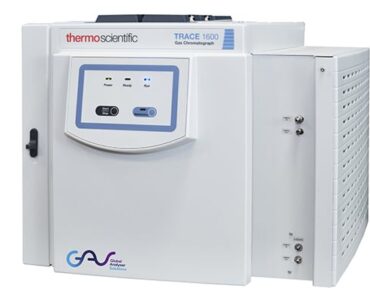
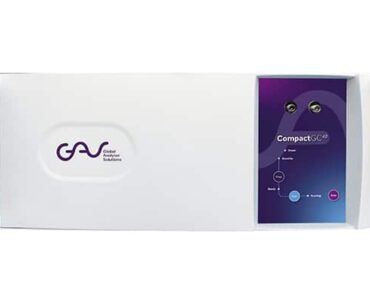
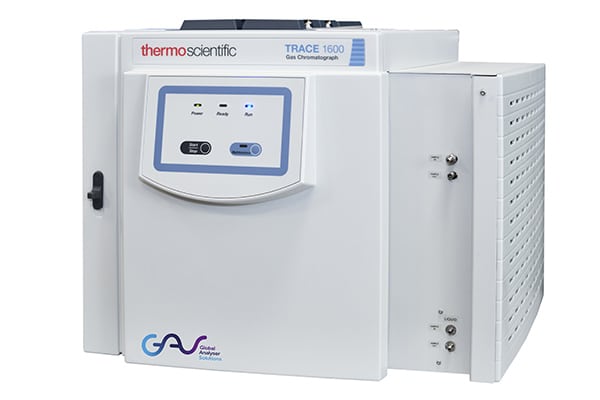
To meet these sophisticated analytical demands, the GAS Refrigerants Analyser relies on proven gas chromatography technology built upon the reliable Thermo Trace GC1600 or CompactGC4.0 platforms. Because a single column is often insufficient for the complete separation of complex or unknown mixtures, the system can be expanded to accommodate up to four distinct analysis channels using thick liquid film or PLOT capillary columns for high retention. Detection is flawlessly handled by FID and/or TCD (which is essential for detecting non-condensable gases like air). Furthermore, the instrument provides exceptional sampling flexibility; it can analyze samples introduced as a gas via a standard GSV, or handle liquid states directly using a Liquid Sampling Valve (LSV) or an onboard vaporiser, ensuring highly repeatable results regardless of the original matrix.
Benefits
Flexible Sampling Modes: Seamlessly evaluate coolants in either liquid or gaseous states utilizing versatile injection options such as a standard GSV, an onboard vaporiser, or an LSV paired with an optional Sample Securitiser.
Wide Concentration Range: Achieve highly dependable analytical results across an extensive dynamic range, spanning from trace levels of approximately 100 ppm up to high percentage concentrations.
Multiple Detector Options: Leverage the combined power of Flame Ionisation Detection (FID) and Thermal Conductivity Detection (TCD) to accurately identify a broad spectrum of compounds, including non-condensable impurities like air.
Expandable Multi-Channel Design: Confidently tackle complex mixtures and unknown refrigerant blends by configuring the instrument with up to four independent gas chromatography channels tailored to your exact needs.
Robust, Proven GC Technology: Ensure maximum laboratory uptime and minimal maintenance requirements by utilizing industry-leading platforms such as the Thermo Trace GC1600 or the rapid CompactGC4.0.
| Category | Specification |
|---|---|
| Analyser Platform | Thermo Trace GC1600 or CompactGC4.0 (1 to 4 channel configuration) |
| Detector Type | Flame Ionisation Detector (FID) and/or Thermal Conductivity Detector (TCD) |
| Gas Injection System | GSV (Gas Sampling Valve) |
| Liquid Injection System | GSV with vaporiser, or LSV (Liquid Sampling Valve) with optional Sample Securitiser |
| Column Setup | High-retention capillary columns (e.g., thick liquid film or PLOT columns) |
| Sample Pathway | Completely inert Sulfinert® treated tubing |
| Dynamic Range | 100 ppm up to high percentage levels |
| Repeatability | ≤ 1% RSD (depending on concentration level and separation) |
| Optional Features | Backflush option, integrated vaporiser, particle filter, and oil separator |
Refrigerant Identification and Composition Analysis: Accurately evaluate and characterize both blended and single-component refrigerants, encompassing modern hydrocarbons as well as legacy fluoro/chloro-hydrocarbons.
Refrigerant Recycling and Reuse: Thoroughly identify the exact composition of mixed or completely unknown coolants before initiating critical recycling or system recharging procedures.
Quality Control of Refrigerants: Strictly verify the purity and precise chemical makeup of refrigerant batches prior to commercial distribution or industrial application.
Leakage and Contamination Assessment: Proactively detect harmful cross-contamination, moisture-related impurities, and unwanted air intrusion within closed refrigerant systems.
Laboratory and Industrial Testing: Provide highly reliable and routine analytical support across dedicated service centers, industrial manufacturing facilities, and research laboratories.
Industry Standard Methodologies: The system is expertly engineered to meet and exceed rigorous standardized testing methods outlined by major international regulatory bodies, including GPA, AHRI, ASTM, UOP, ISO, and EN, ensuring confident application across various global markets.