In automotive and industrial environments, the presence of ethylene glycol contamination within used engine oil serves as a critical warning sign for coolant leakage and imminent mechanical failure. For effective condition monitoring and proactive preventive maintenance, timely and highly precise detection is absolutely vital. However, conventional testing procedures like ASTM D4291-98 are typically labor-intensive and highly time-consuming, effectively bottlenecking sample throughput in busy routine laboratory settings.
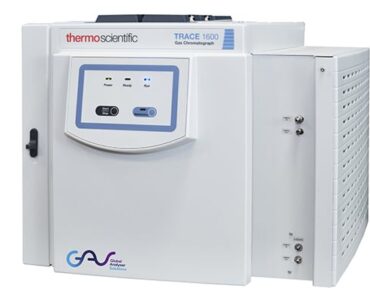
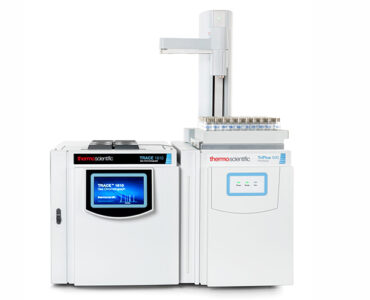
To directly overcome these limitations, the GAS Ethylene Glycol Analyser introduces an innovative, high-efficiency analytical approach based on headspace gas chromatography. The process begins with the chemical derivatisation of ethylene glycol directly within the autosampler vial, which actively reduces its polarity while simultaneously increasing its volatility. Following a strictly controlled incubation period, a precise headspace volume is automatically injected into the system using the advanced Triplus headspace autosampler. Running on the dependable Thermo Trace GC1600 platform, this streamlined methodology provides an incredibly reproducible, low-maintenance solution for analyzing heavy engine oils.
Benefits
Fast Analysis Time: Drastically reduces laboratory wait times by achieving a typical GC analysis time of just 3 minutes through automated headspace sampling.
High Sample Throughput: Optimizes overall laboratory workflows utilizing fully automated incubation and injection sequences powered by the Triplus headspace autosampler.
Cost Effective Operation: Delivers a highly economical testing framework, significantly lowering the operational cost per sample when compared to traditional ASTM procedures.
Reliable Quantification: Guarantees dependable, highly accurate analytical results across a broad concentration spectrum ranging from 0.01% up to 1%.
Simplified Methodology: Removes the complexity of older techniques by utilizing straightforward in-vial chemical derivatisation and headspace sampling for an easy-to-implement approach.
| Category | Specification |
|---|---|
| Analyser Platform | Single channel Thermo Trace GC1600 |
| Injection System | Triplus headspace autosampler |
| Methodology | Headspace GC with in-vial chemical derivatisation and incubation |
| Target Component | Ethylene glycol |
| Sample Matrix | Used engine oil |
| Dynamic Range | 0.01% to 1% concentration |
| Analysis Runtime | Approximately 3 minutes |
Ethylene Glycol Detection in Used Engine Oil: Conduct highly accurate quantitative analyses to determine the exact levels of ethylene glycol contamination in used oil samples.
Coolant Leakage Identification: Rapidly detect glycol traces to proactively identify engine coolant leaks and diagnose underlying mechanical issues before catastrophic failure.
Automotive Maintenance and Diagnostics: Provide essential diagnostic data to support robust preventive maintenance strategies and detailed failure analyses in industrial and automotive engines.
Laboratory Oil Analysis: Empower dedicated oil analysis laboratories to execute routine glycol testing seamlessly while maintaining exceptionally high daily sample throughput.
Alternative to ASTM D4291-98: Leverage a significantly faster and much more efficient analytical technique that successfully supersedes traditional, labor-heavy ASTM testing methodologies.
The analyser is designed to provide a highly efficient alternative to the following industry standard:
Alternative to ASTM D4291-98: Serves as a modern, high-throughput alternative to traditional methods for determining trace ethylene glycol in used engine oils.