In the fields of microbiology, biotechnology, and environmental science, analyzing fermentation gases is a crucial step for understanding the health, efficiency, and nature of microbial cultures. During active fermentation, microorganisms produce a variety of gases including carbon dioxide, hydrogen, methane, and volatile organic compounds (VOCs). Accurately tracking the volume and composition of these emissions allows facilities to evaluate the completeness of substrate conversion and optimize production across pharmaceutical, food, and biofuel applications.
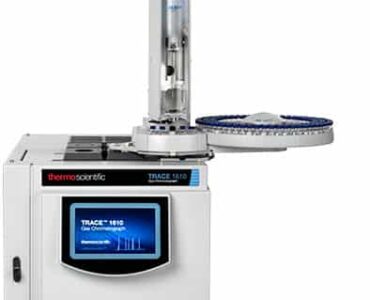
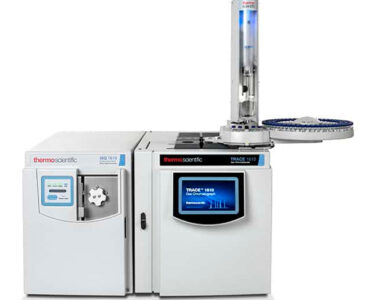
To meet these highly dynamic analytical needs, the GAS Fermentation Gas Analyser is built upon flexible, robust platforms such as the compact 19″ CompactGC4.0 or the Thermo TRACE GC 1600. The system’s highly modular architecture supports up to four independent analytical channels equipped with a wide variety of detectors—ranging from TCD for percentage-level bulk analysis to PDD and PFPD for ultra-trace sub-ppb detection. Understanding that sample conditions can vary wildly, the analyzer accommodates flexible sampling techniques. Whether utilizing a standard sample pump, a syringe sampler for manually collected volumes, or a specialized vacuum option requiring merely 1 mL of gas, the system easily adapts. Furthermore, an optional stream selector module can automatically manage up to 16 sample lines, enabling seamless, sequential monitoring of multiple active fermenters.
Benefits
Wide Component Coverage: Perform comprehensive analyses on an extensive array of substances, including permanent gases, hydrocarbons, esters, alcohols, aldehydes, ammonia, and sulfur components.
High Sensitivity: Achieve exceptional analytical flexibility with detection capabilities ranging from high percentage levels utilizing a TCD, all the way down to ultra-trace ppb levels using PFPD or PDD.
Fast Analysis Time: Obtain rapid, real-time feedback to swiftly adjust process parameters, thanks to highly optimized analytical runtimes typically lasting between just 1 and 3 minutes.
Flexible Sampling Options: Seamlessly adapt to varying sample volumes and pressures by leveraging versatile techniques such as syringe sampling, vacuum sampling, and fully automated stream selection.
Expandable Configuration: Scale your laboratory’s capabilities with a highly modular system architecture that allows for the integration of up to 4 distinct analytical channels for highly complex applications.
| Category | Specification |
|---|---|
| Analyser Platform | CompactGC4.0 or Thermo TRACE GC 1600 |
| Channel Configuration | Modular setup supporting 1 to 4 analytical channels |
| Detector Options | TCD, FID, PDD, PFPD, MS (Mass Spectrometer), and VUV LUMA |
| Target Components | Permanent gases, hydrocarbons, alcohols, esters, aldehydes, sulfur components, and ammonia |
| Sampling Capabilities | Sample pump, stop flow valve, stream selector (up to 16 lines), syringe sampling, and vacuum sampling (1 mL required) |
| Sample Pathway | Inert Sulfinert® treated tubing to prevent adsorption of active polar components |
| Analysis Runtime | 1 to 3 minutes (depending on targeted components) |
| Limit of Detection (LOD) | < 0.001% (TCD) | < 20 ppb (PDD) | < 25 ppb (PFPD) | < 1 ppm (FID) |
| Repeatability | < 1% RSD |
| Software System | Chromeleon and OpenLab |
Fermentation Process Monitoring: Accurately analyze emitted gas compositions to closely track microbial activity, culture health, and overall process performance in real-time.
Biotechnology and Bioprocessing: Provide critical analytical support to drive the optimization of large-scale fermentation operations within food, biofuel, and pharmaceutical production facilities.
Environmental and Research Applications: Conduct in-depth studies focusing on carbon cycling, greenhouse gas emissions, and complex gas formation mechanisms within various environmental and microbial systems.
Multi-Fermenter Monitoring: Execute fully automated, sequential analysis across a large series of active fermenters by integrating advanced sample stream selection technology.
Trace and Bulk Gas Analysis: Confidently measure target components across an incredibly broad dynamic range, from microscopic ppb trace impurities up to bulk percentage concentrations.
The analyser’s core methodology is fully designed around the principles of the Costumer Demands.