In modern petrochemical processing, the presence of oxygenated compounds—such as ketones, ethers, and alcohols—within hydrocarbon streams poses a significant operational risk. Even when present at microscopic sub-ppm concentrations, these trace impurities can rapidly degrade expensive high-yield catalysts and drastically disrupt downstream processing stages. Coupled with increasingly strict environmental guidelines and rigorous product quality regulations, modern refineries require highly accurate, reliable methodologies to monitor low-level oxygenates.
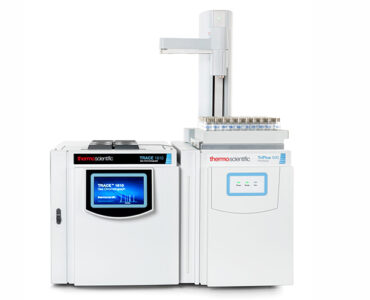
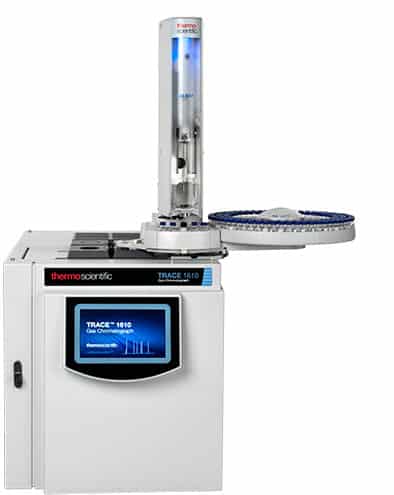
The GAS Low Level Oxygenates Analyser delivers a robust, highly sensitive analytical solution directly targeting these crucial industry challenges. Built upon the proven Thermo Trace GC 1600 platform, the instrument utilizes a highly selective Lowox capillary column specifically designed to separate oxygenated components from dense hydrocarbon matrices. During operation, liquid samples are introduced via an SSL module equipped with an integrated backflush function. This effectively isolates and removes heavier components (with boiling points above 100 °C) via an Rtx-1 pre-column without requiring additional, complicated valve setups.
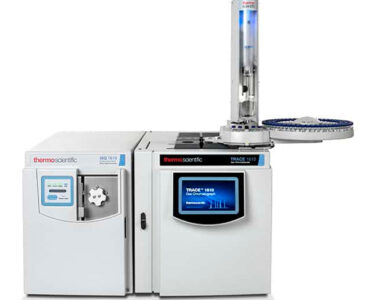
The system is incredibly versatile, easily expanding to handle gas or liquefied gas samples through GSV or LSV configurations, safely secured by an optional Sample Securitiser. While standard setups utilize a sensitive Flame Ionisation Detector (FID) capable of evaluating dynamic ranges between 0.1 and 1000 ppm, laboratories operating delicate high-yield catalysts can opt to integrate an ISQ Mass Spectrometer (GC-MS). This powerful upgrade leverages Selected Ion Monitoring (SIM) mode to exponentially increase both analytical sensitivity and reliable identification, providing comprehensive protection for valuable downstream processing assets.
Benefits
Low ppm and Sub-ppm Detection: Attain an exceptional level of analytical sensitivity, effectively achieving minimum detectability limits down to 0.1 ppm for individual oxygenated components.
Highly Selective Separation: Employ a specialized Lowox capillary column specifically designed to seamlessly isolate critical oxygenates from heavily complex hydrocarbon matrices without interference.
Integrated Backflush Design: Protect the primary analytical column by utilizing an intelligent, built-in backflush mechanism that efficiently expels high-boiling elements without the need for cumbersome external valves.
Flexible Injection Techniques: Maximize laboratory versatility by configuring the system to combine multiple injection methodologies—including SSL, LSV, and GSV—within a single robust analytical unit.
| Category | Specification |
|---|---|
| Analyser Platform | Thermo Trace GC 1600 series |
| Detector Type | Flame Ionisation Detector (FID) with optional Mass Spectrometer (ISQ GC-MS) |
| Injection System | SSL (Liquid), GSV (Gas), or LSV (Liquefied Gas) with optional Sample Securitiser |
| Column Setup | Lowox highly selective capillary column with an Rtx-1 pre-column |
| Target Components | Low-level oxygenates (alcohols, ethers, ketones) |
| Sample Pathway | Completely inert Sulfinert® treated tubing |
| Dynamic Range | 0.1 – 1000 ppm (via FID) |
| Limit of Detection | 0.1 ppm for all individual components |
| Analysis Runtime | 25 minutes |
| Repeatability | 2% RSD (n=10) |
| Software System | Chromeleon and OpenLab |
Low Level Oxygenates in Hydrocarbon Streams: Accurately identify and measure ketones, ethers, and alcohols with boiling points reaching up to 100 °C within complex hydrocarbon matrices that possess final boiling points under 250 °C.
Feedstock Quality Control: Actively safeguard critical downstream operations by detecting trace oxygenated impurities that can severely poison catalysts and drastically diminish overall processing efficiency.
Gasoline and Light Product Testing: Execute highly precise low-level evaluations of various oxygenated compounds within commercial gasoline and similar light petroleum fractions.
Samples Containing Ethanol (1–15%): Accommodate fuel samples containing significant ethanol blends by utilizing an extended pre-column setup, fully adhering to the rigorous ASTM D7754 testing parameters.
Gas, Liquid and LPG Sample Analysis: Leverage a highly versatile platform that supports a wide array of sample states—including gas, liquid, and liquefied gases—through various injection configurations like SSL, GSV, or LSV coupled with an optional Sample Securitiser.
The analyser is fully designed to comply with the following major industry standards:
ASTM D7423
ASTM D7754
UOP 960