In the aviation industry, the concentration of aromatic hydrocarbons in jet fuel must be strictly limited to a maximum of 25% by volume. Elevated aromatic levels can severely compromise jet engine performance, safety, energy density, elastomer compatibility, and environmental emissions. To ensure compliance with rigorous standards such as DEF STAN 91-091 and ASTM D1655, refineries have historically relied on Fluorescence Indicator Absorption (FIA) or High-Performance Liquid Chromatography (HPLC). However, FIA is a highly manual, error-prone technique dating back to the 1950s, while HPLC requires extensive sample preparation, hazardous solvents, and highly skilled operators.
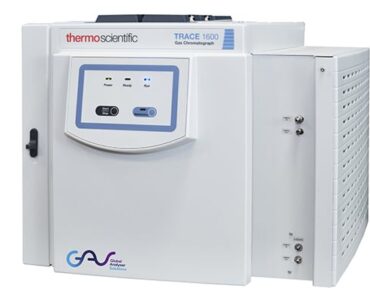
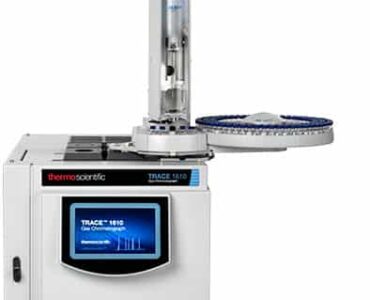
The GAS Jet Fuel Analyser dramatically modernizes this process by introducing a revolutionary Gas Chromatography-Vacuum Ultraviolet (GC-VUV) approach. Built upon the reliable Thermo Trace GC1600 integrated with a VGA-100™ spectrometer, this system completely bypasses the need for sample preparation or complex calibration curves. Using the advanced VUV Analyze™ software powered by Time Interval Deconvolution™ (TID™), the analyzer divides the fast 14-minute chromatogram into small time intervals. It then matches the unique, highly distinct spectral shapes of saturates, mono-aromatics, and di-aromatics against a comprehensive library to perfectly identify and quantify compounds, even when they co-elute. Ultimately, this GC-VUV solution delivers an unparalleled leap in accuracy—offering up to ten times better repeatability and reproducibility compared to legacy referee methods—all while significantly reducing the total cost of ownership.
Benefits
Fully ASTM D8267 Compliant: Employs a standardized, proven methodology for the automated determination of jet fuel aromatic content leveraging VUV technology.
Superior Precision and Reproducibility: Delivers outstanding analytical confidence, achieving 5 to 10 times better reproducibility and repeatability when compared to legacy FIA and HPLC methods.
No Sample Preparation or Calibration Curves: Significantly streamlines daily laboratory workflows and minimizes operator dependency by allowing the direct injection of samples.
Lower Cost per Sample: Substantially decreases overall operational expenses, offering up to a 2.5 to 16 times reduction in total analytical costs compared to traditional techniques.
Spectral Deconvolution for Reliable Classification: Utilizes unique VUV spectral fingerprints to accurately distinguish between saturates, mono-aromatics, and di-aromatics, effectively resolving peak overlaps even in co-eluting regions.
| Category | Specification |
|---|---|
| Analyser Platform | Thermo Trace GC1600 |
| Detector Type | VUV VGA-100 Detector (Vacuum Ultraviolet) |
| Injection System | iConnect SSL (Split-splitless injector) for direct injection |
| Column Setup | Single capillary column |
| Target Components | Saturates, mono-aromatics, di-aromatics, and total aromatics |
| Software System | VUVision™ and VUV Analyze™ software featuring Time Interval Deconvolution™ (TID™) |
| Analysis Runtime | 14 minutes |
| Replaced Methods | FIA (ASTM D1319) and HPLC (ASTM D6379) |
Jet Fuel Quality Control: Accurately determine the total aromatic, mono-aromatic, and di-aromatic content to strictly verify compliance with global aviation fuel specifications.
Automated Analysis: Execute standardized jet fuel evaluations seamlessly by relying on a highly efficient and fully automated GC-VUV analytical workflow.
Refinery and Blending Operations: Provide crucial support for process control and blending optimization strategies through highly accurate aromatic class reporting.
Sustainable Aviation Fuel (SAF) Evaluation: Evaluate both conventional and alternative aviation fuels, perfectly accommodating synthetic and modern sustainable fuel blends.
Laboratory Automation and Reporting: Ensure complete analysis traceability with automated compound classification and detailed reporting delivered in both mass% and volume%.
The analyser is fully designed to comply with the following major industry standards:
ASTM D8267
ASTM D1655 (Aviation fuel specification)
DEF STAN 91-091