In the petrochemical industry, conducting accurate PIONA analysis (characterizing Paraffins, Iso-paraffins, Olefins, Naphthenes, Aromatics, and Oxygenates) is an essential requirement for verifying that gasoline-range products meet strict European fuel specifications, such as EN 228. Historically, traditional PIONA methods have proven cumbersome, demanding complex chromatographic separations, highly strict retention time controls, and significant manual data review to account for errors introduced by conventional column-switching systems.
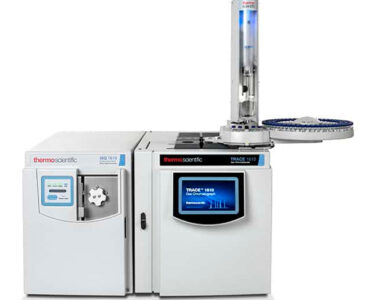
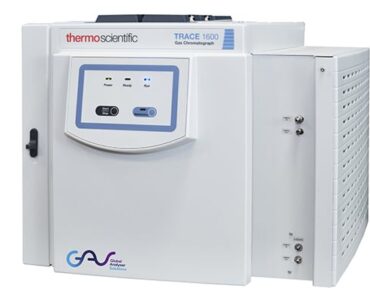
The GAS PIONA Analyser fundamentally modernizes this critical testing process by replacing traditional detectors with advanced Vacuum Ultraviolet (GC-VUV) spectroscopy. Built on the highly reliable Thermo Trace GC1600 platform, the instrument utilizes a highly simplified setup consisting of just one capillary column and a VUV-VGA detector—entirely eliminating the need for tuning, complex traps, or difficult calibration routines.
By capturing three-dimensional GC-VUV data (absorbance, time, and wavelength), the system leverages highly structured, compound-specific absorbance spectra. This allows the automated software to effortlessly deconvolve overlapping chromatographic peaks and accurately classify individual compounds (like benzene, toluene, xylenes, and isooctane) without relying on exact retention times. Furthermore, the methodology seamlessly incorporates 13 critical oxygenated compounds into the classification. Delivering complete PIONA+ characterization with excellent equivalence to older methods (like D6839/Reformulyzer), this VUV solution provides unmatched accuracy, lower operational costs, and an incredibly fast runtime of just 34 minutes.
Benefits
Distinct Spectral Identification: Leverage unique VUV absorbance spectra to achieve dependable compound identification without relying on highly precise retention times or complicated column-switching systems.
Complete PIONA+ Coverage: Conduct simultaneous, thorough analyses of naphthenes, aromatics, olefins, iso-paraffins, normal paraffins, and 13 crucial oxygenates.Excellent
equivalence with existing methods D5443 & D6839 (Reformulyzer) is
proven after completing an extensive Interlaboratory Study (ILS)
Reduced Analysis Time: Drastically streamline laboratory workflows by completing a comprehensive PIONA analysis, alongside fully automated data processing, in approximately 34 minutes.
Simplified Instrumentation: Eliminate the need for pre-columns, traps, or intricate tuning routines thanks to a straightforward setup consisting of just one capillary column and a VUV detector. five ASTM methods in one. PIONA-VUV is fast: only 34 minutes runtime.
Lower Cost per Analysis: Substantially decrease operational expenses and minimize the need for manual data reviews when compared to traditional DHA and legacy PIONA procedures.
| Category | Specification |
|---|---|
| Analyser Platform | Thermo Trace GC1600 |
| Detector Type | VUV-VGA Detector (Vacuum Ultraviolet) |
| Column Setup | Single capillary column (no traps or pre-columns required) |
| Target Classes | Paraffins, Iso-paraffins, Olefins, Naphthenes, Aromatics, and Oxygenates |
| Target Oxygenates | 13 components including Methanol, Ethanol, MTBE, ETBE, TAME, and TAEE |
| Analysis Runtime | 34 minutes |
| Software System | Automated VUV analysis software |
| Optional Features | GC oven cryo valves for expanded analytical flexibility |
Fuel Specification EN228 Compliance Testing: Seamlessly verify the quality of gasoline against stringent EN 228 standards by utilizing fully automated reporting for both individual components and specific compound classes.
PIONA Analysis of Gasoline-Range Products: Execute comprehensive PIONA+ classifications, accurately identifying oxygenates and other vital components according to established fuel specifications and standardized methodologies.
Refinery and Blending Operations: Gain detailed insights into product composition to significantly support product development initiatives and optimize complex blending operations.
Oxygenates Identification and Quantification: Successfully detect and analyze up to 13 distinct oxygenated compounds within the same analytical run, including TAME, TAEE, methanol, ethanol, ETBE, and MTBE.
Multi-Fuel Analysis on One Instrument: Maximize laboratory capabilities by combining standard PIONA evaluations with jet fuel (ASTM D8267) and diesel/biodiesel (ASTM D8368) testing on a single GC-VUV platform.
The analyser is fully designed to comply with the following major industry standards:
EN 18015
ASTM D8071
EN 228